EN
EN SP
SP FR
FR
- Home
- About Us
- Products
- Service
- Project
- News
- Contact Us
Pulished on Aug. 24, 2023
The stability and resistance of the Airport fence are the key factors to ensure the safety and effectiveness of the perimeter. The correct foundation and anchoring method are key elements in making this possible. A stable foundation provides a solid base for the fence, while effective anchoring methods prevent the fence from being easily damaged or uprooted. Understanding and implementing proper foundation and anchoring techniques is critical to maintaining the integrity of the Airport fence.

concrete base
Concrete foundations are commonly used for Airport fences due to their durability and stability. The construction of a concrete foundation involves excavating the ground to a suitable depth, pouring the concrete into the trench, and reinforcing it with steel bars or grids. This creates a solid base that can withstand external forces and provide stability to the fence. The size and depth of the concrete foundation depends on factors such as fence height, soil conditions, and local building codes.

ground anchor
Ground anchors can effectively enhance the resistance of the Airport fence to lateral forces such as wind loads or attempts to break through. These anchors are usually made of steel and are driven into the ground at specific intervals along the fence line. They provide extra support and stability by anchoring the fence firmly to the ground. There are several types of ground anchors, including screw anchors, drive anchors and rock anchors, the choice of which depends on factors such as soil conditions and required load-bearing capacity.
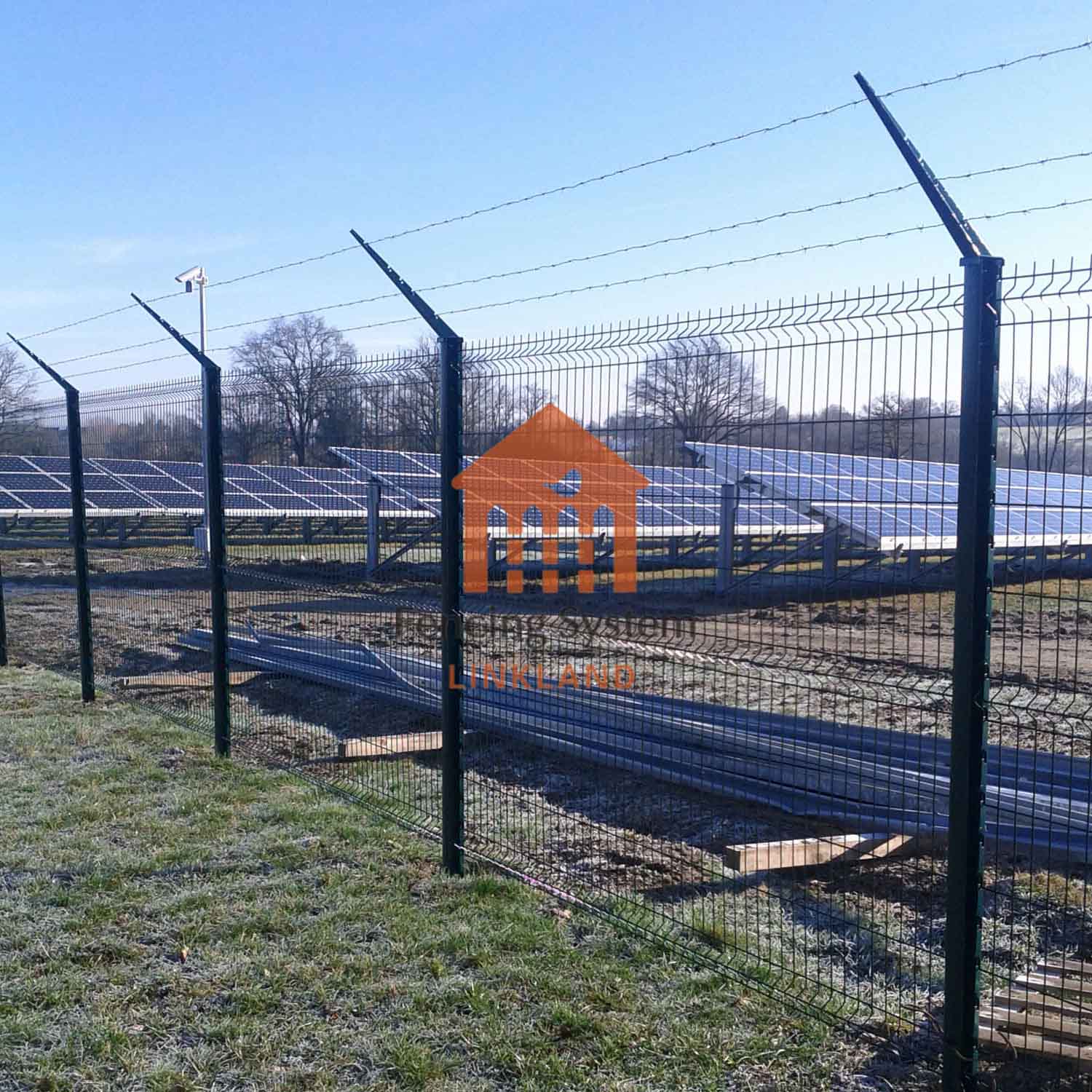
Bracing and Tensioning Systems
In addition to concrete foundations and ground anchors, bracing and tensioning systems can further enhance the stability and resistance of the Airport fence. Bracing involves the use of diagonal or cross bracing to stiffen the fence structure and distribute forces evenly. Tensioning systems, such as cables or wires, are used to apply tension along the fence line, adding strength and preventing sagging or bending. These systems are especially useful for longer fences or areas prone to high winds or ground movement.
By employing proper foundation techniques (such as concrete foundations), implementing reliable anchoring methods (such as ground anchors), and utilizing bracing and tensioning systems, Airport fences can maintain stability and the ability to resist external forces. Ensuring the integrity of the fence foundation and anchorage not only enhances its security capabilities, but also helps extend its lifespan and overall effectiveness as a perimeter security solution.
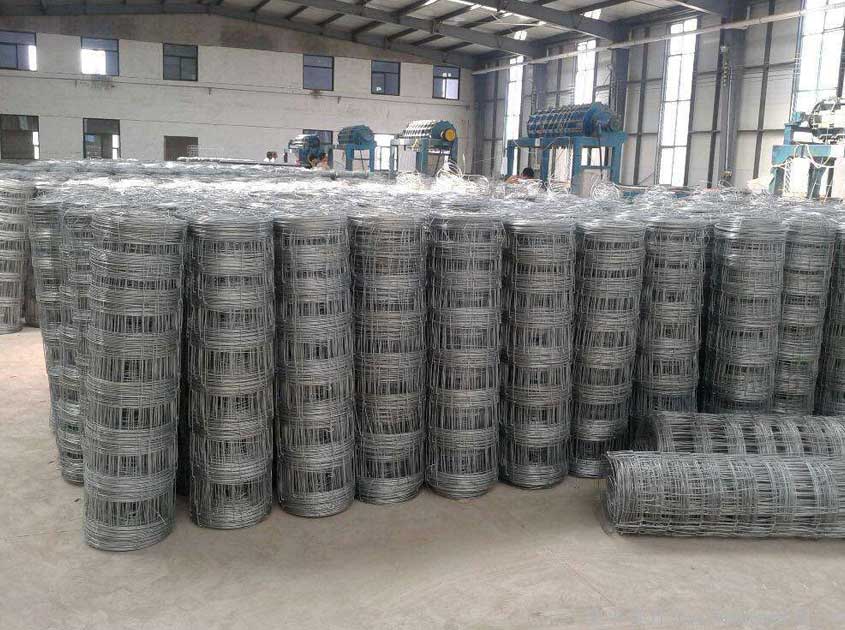
How to Choose Farm Fence for Cattle and Horses: Wire, Height and Design Guide
Pulished on Sep. 23, 2026
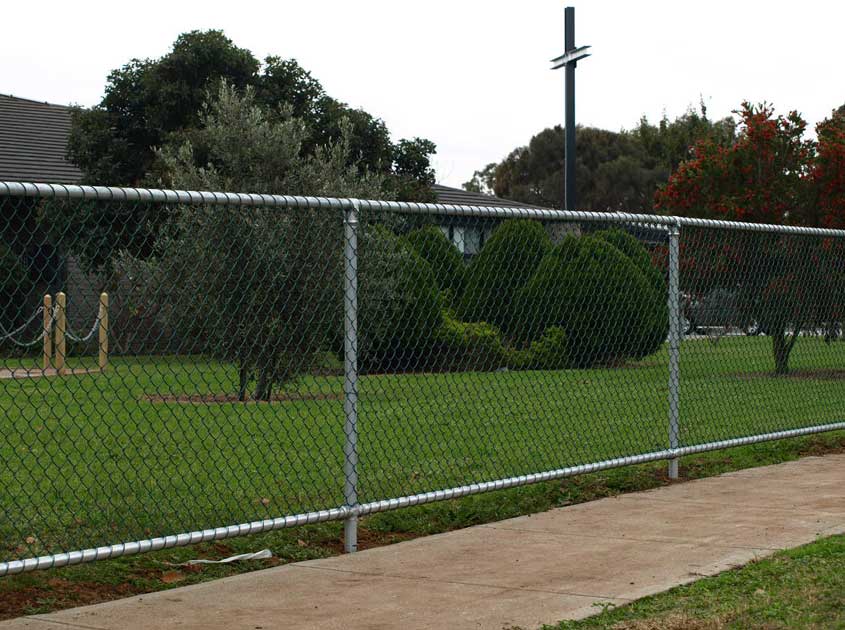
How Is Chain Link Fence Made? Manufacturing Process and Components
Pulished on Sep. 18, 2026
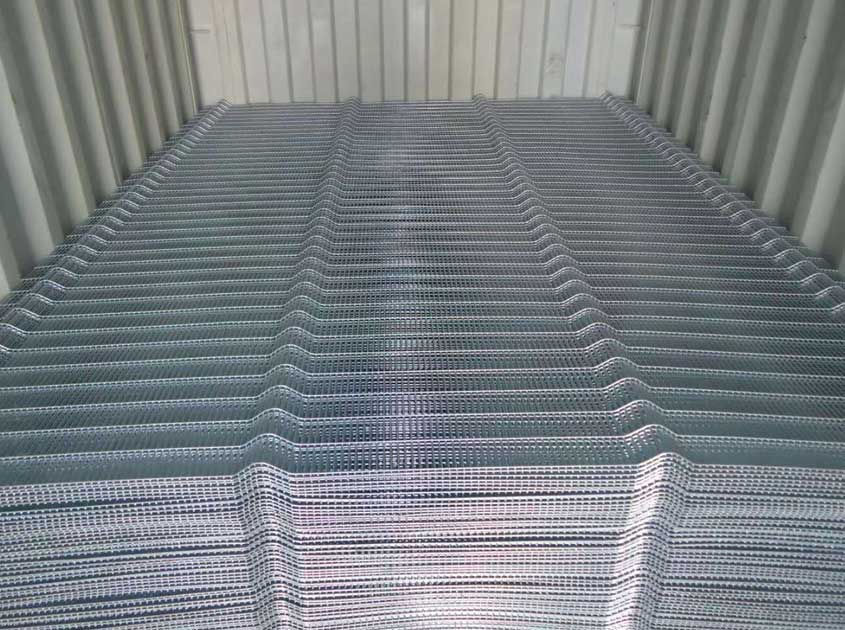
358 Security Fence vs Chain Link Fence: Security, Cost and Application Comparison
Pulished on Sep. 15, 2026
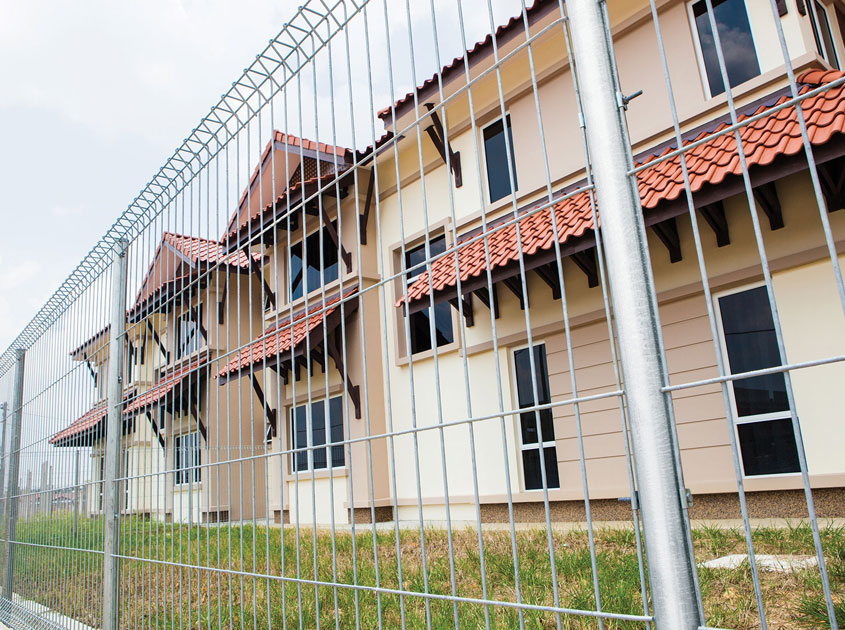
Why Choose Welded Wire Fence for Security and Protection?
Pulished on Sep. 07, 2026
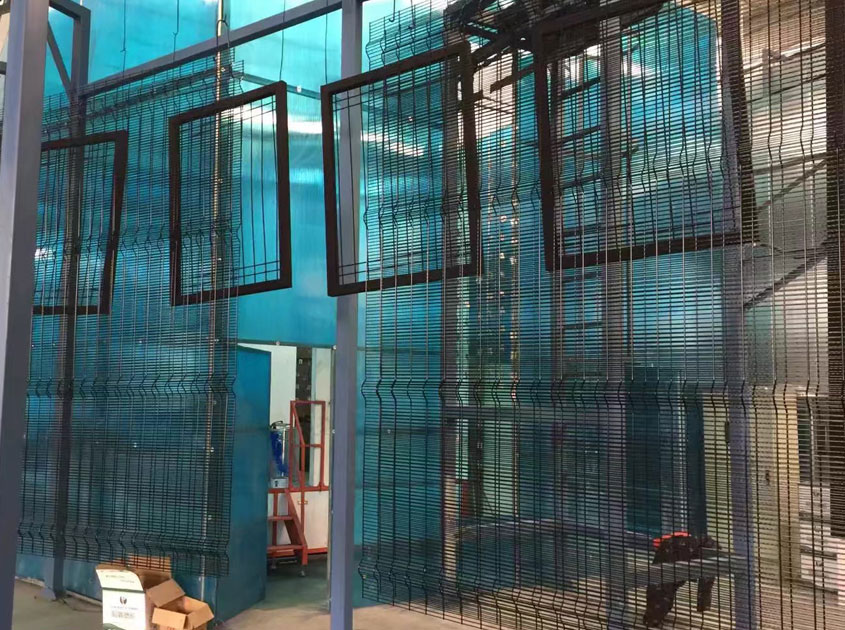
358 Security Fence Specifications and Applications Guide
Pulished on Aug. 27, 2026
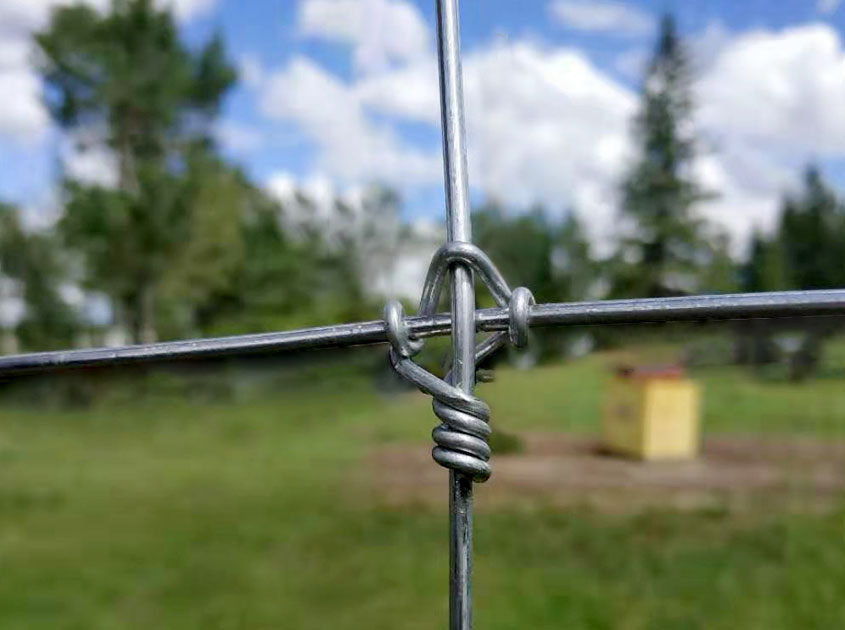
What Is Farm Fence and What Are the Main Types?
Pulished on Aug. 26, 2026
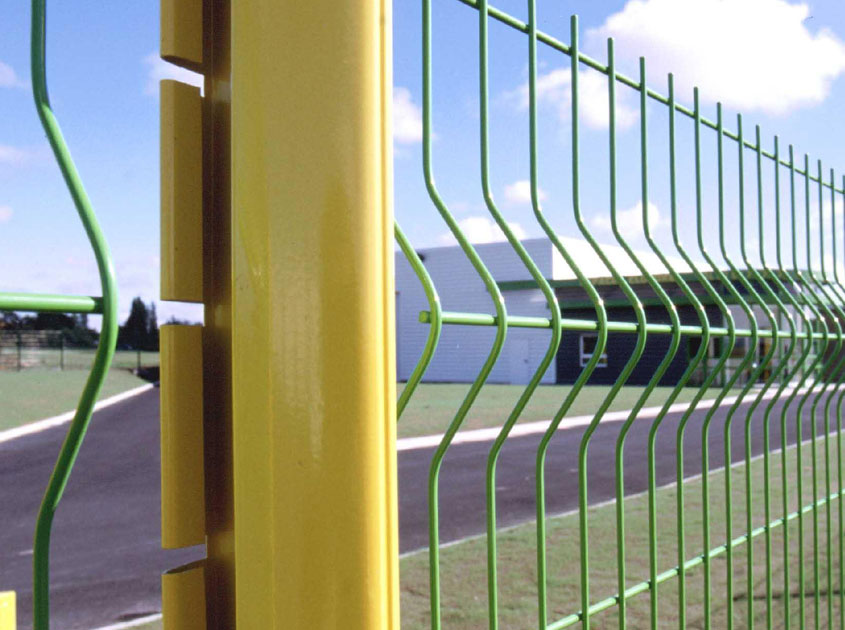
Welded Wire Fence Types, Sizes and Applications Guide
Pulished on Aug. 20, 2026
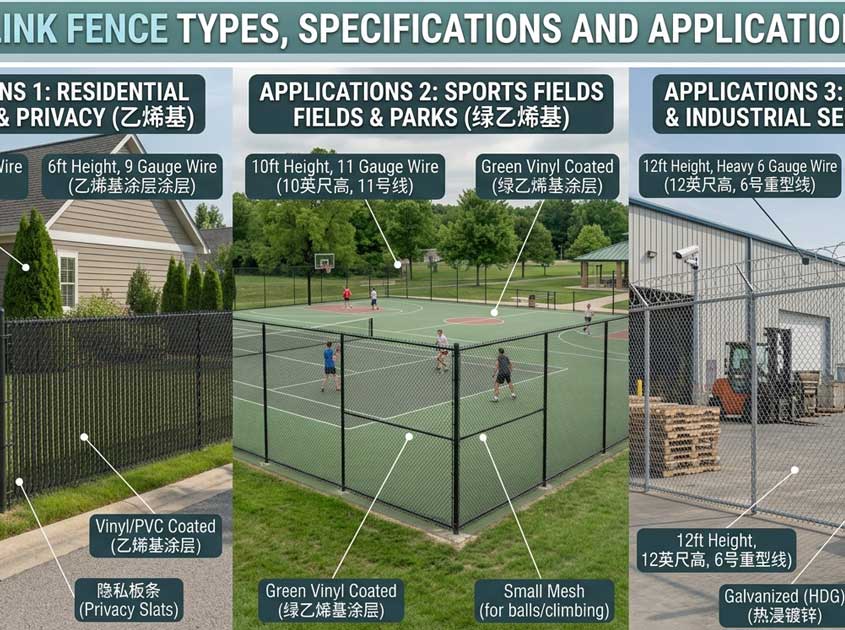
Chain Link Fence Types, Specifications and Applications Guide
Pulished on Aug. 12, 2026
How to Choose Farm Fence for Cattle and Horses: Wire, Height and Design Guide
Pulished on Sep. 23, 2026
How Is Chain Link Fence Made? Manufacturing Process and Components
Pulished on Sep. 18, 2026
358 Security Fence vs Chain Link Fence: Security, Cost and Application Comparison
Pulished on Sep. 15, 2026
Why Choose Welded Wire Fence for Security and Protection?
Pulished on Sep. 07, 2026
358 Security Fence Specifications and Applications Guide
Pulished on Aug. 27, 2026
What Is Farm Fence and What Are the Main Types?
Pulished on Aug. 26, 2026
Welded Wire Fence Types, Sizes and Applications Guide
Pulished on Aug. 20, 2026
Chain Link Fence Types, Specifications and Applications Guide
Pulished on Aug. 12, 2026